How to Calculate Solar Energy Needs for Your Home?

Time:2026-05-25 Author:Ethan
0%

Understanding how to calculate solar energy needs for a household is essential for homeowners considering solar power. This knowledge enables you to make informed decisions about your energy consumption and financial investments. By assessing your household’s unique energy requirements, you can determine the right size and type of solar system for your needs.

Calculating solar energy needs involves several key factors. You must consider your electricity usage, which varies by season and household activity. Look at your utility bills to grasp your monthly consumption in kilowatt-hours. This step is integral in understanding how much solar power you need.

Next, evaluating your roof’s orientation and available sunlight is crucial. Not every home is ideal for solar panels. Factors such as shading from trees or nearby buildings significantly impact potential energy generation. Recognizing these aspects can help refine your calculations. Ultimately, understanding how to calculate solar energy needs for a household fosters an informed transition to sustainable energy. This process requires reflection and may pose challenges, yet it leads to valuable insights and empowerment in energy management.
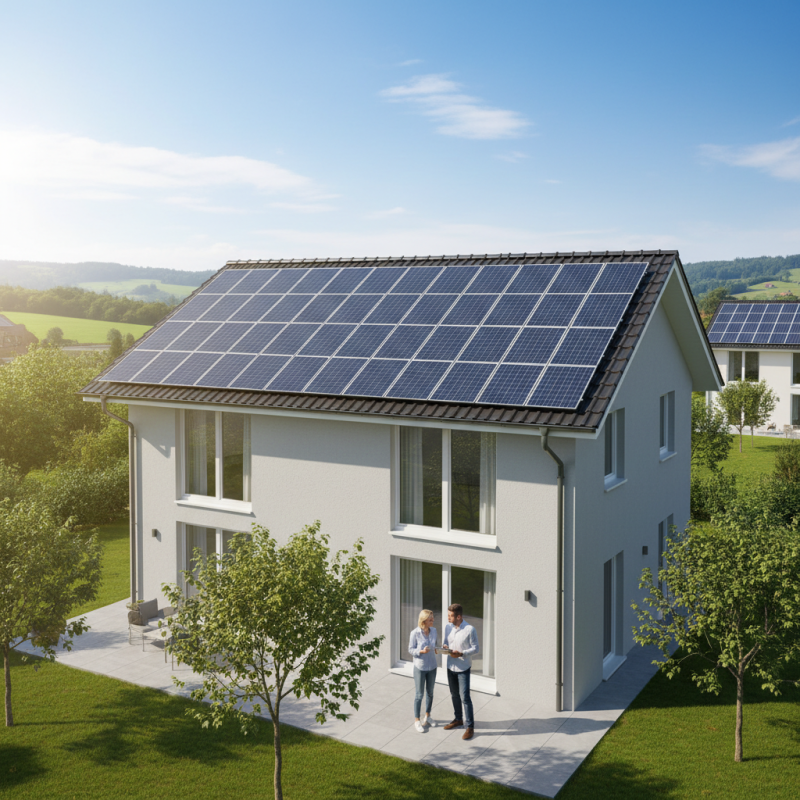
How to Calculate Solar Energy Needs for Your Home?

Understanding Your Home's Energy Consumption

Understanding your home's energy consumption is key to calculating solar energy needs. Start by reviewing your electricity bills from the past year. Look for the total kilowatt-hours (kWh) used monthly. This data reveals patterns that can inform your solar panel requirements.

Next, consider your home’s appliances and their usage. Identify high-consumption devices like refrigerators, washers, and HVAC systems. These often account for the bulk of your energy use. Assess how many hours they operate daily. This will help you estimate their impact on your total energy consumption.

Don’t forget seasonal variations. Air conditioning in summer and heating in winter can significantly alter your energy needs. If your consumption fluctuates, note those peaks. It's essential to understand these patterns for a reliable solar energy calculation. Balancing your ideal solar needs involves recognizing both your average and peak consumption. Reflect on this to foster a smarter energy strategy.

Identifying Solar Energy Potential in Your Area

Identifying solar energy potential in your area begins with understanding local climate conditions. Solar panels require sunlight for efficient energy generation. Regions with high sunlight hours will yield more energy. Research average daily sunlight hours in your locality. Use online tools or regional data to gather this information.

Consider your roof's orientation and angle as well. South-facing roofs generally receive the most sunlight. Trees or buildings that cast shadows can decrease solar potential. Conduct a survey of your surroundings and take note of these obstructions. This can help you make informed decisions about solar panel placement.

It's vital to check local regulations and incentives. Some areas offer rebates for solar installation, while others may have restrictions. Understanding these aspects ensures a smoother transition to solar energy. Exploring community resources can also provide insights into successful installations nearby. Knowledge from local experiences can help you in your planning process.

Calculating the Size of Your Solar Energy System

Determining the size of your solar energy system is crucial for maximizing efficiency. Start by assessing your energy consumption. Look at utility bills from the past year. This helps you understand your average monthly usage. You can break down your consumption per appliance to get a clearer picture.

Next, factor in your location. Solar energy production varies by region and season. Use online tools to estimate daily solar radiation in your area. This data aids in determining how much energy your panels can generate. Once you have your average usage and solar potential, calculate the number of panels needed.

Don’t overlook the orientation and shading of your roof. Even a slight obstruction can reduce energy output. A professional assessment can help identify optimal panel placement. Consider future energy needs, too. Adding more appliances or electric vehicles will change your requirements. Planning for growth ensures your system remains effective over time.

Estimating Solar Panel Efficiency and Output

When estimating solar panel efficiency and output, several factors come into play. Solar panels typically convert 15-22% of sunlight into electricity. This percentage varies by type and brand. High-quality panels offer better performance, but they also cost more. It's important to balance cost and output when making a decision.

The amount of sunlight your location receives significantly impacts energy production. For example, a sunny region will yield more energy than a cloudy one. Seasonal changes also matter. In winter, days are shorter, and sunlight is less intense. Tracking sunlight hours can help you estimate your potential energy output.

Consider the angle and placement of your panels. Proper installation can maximize exposure to sunlight. Regular maintenance is also crucial. Dust or debris can reduce efficiency. Reflect on these details to ensure your solar system meets your energy needs effectively.

Evaluating Your Financial Investment in Solar Energy

Investing in solar energy can be complex, but understanding the financial implications is crucial. According to the National Renewable Energy Laboratory, the average cost of residential solar panel systems has decreased by nearly 70% since 2010. This significant drop makes solar a more affordable option for homeowners seeking greener energy solutions.

When evaluating your investment, consider your locality. Factors such as state incentives and utility rates can drastically affect your return on investment. For example, states like California offer substantial rebates, which can recover up to 20% of the initial costs. A 2022 report from the Solar Energy Industries Association indicates that the average homeowner saves approximately $17,000 over 20 years by switching to solar. However, these savings can vary widely, sometimes falling below expectations.

It's also essential to consider the upfront costs. While financing options exist, they can lead to unexpected expenses. A professional energy audit may reveal additional factors affecting your financial outcome. Thus, reliable data and expert assessments are critical in calculating your solar energy needs accurately.

FAQS

: How can I start understanding my home's energy consumption?

: Review electricity bills for the past year. Look for monthly kilowatt-hours used.

What should I focus on when assessing my appliances?

Identify high-consumption devices like refrigerators and HVAC systems. Note their daily operating hours.

Why are seasonal variations important in energy consumption?

Heating in winter and cooling in summer can change energy needs significantly. Track these fluctuations.

How do I calculate the size of my solar energy system?

Assess energy consumption and average monthly usage from utility bills. It provides crucial data.

What factors affect solar energy production?

Your location plays a big role. Solar output varies by region and season.

How can I ensure optimal panel placement?

Consider roof orientation and shading. Even small obstructions can reduce energy output.

What financial factors should I consider for solar investment?

Evaluate local incentives and utility rates. They can significantly impact your return on investment.

Are there hidden costs in solar energy financing?

Yes, financing options may lead to unexpected expenses. It’s wise to get a professional energy audit.

Can my energy needs change after installing solar panels?

Yes, adding appliances or electric vehicles may increase your requirements. Plan accordingly for future growth.

What should I reflect on when calculating solar energy needs?

Balance average and peak consumption for a reliable solar energy calculation. This helps foster smart energy strategies.

Conclusion

Calculating solar energy needs for a household involves several critical steps. First, understanding your home's energy consumption is essential, as this will establish a baseline for your solar requirements. Next, identifying the solar energy potential in your area helps determine how much sunlight is available for harnessing. Once you have this information, you can calculate the size of your solar energy system tailored to meet your specific energy needs.

Additionally, estimating solar panel efficiency and output is crucial to ensure that your system will perform optimally. Evaluating your financial investment in solar energy is also important, as it allows you to assess the long-term savings and benefits of switching to solar. By following these steps, homeowners can effectively learn how to calculate solar energy needs for a household and make informed decisions about their solar energy systems.

Ethan

Ethan

Ethan is a seasoned marketing professional with a deep expertise in our company's innovative product line. With a passion for sharing knowledge and insights, he takes the lead in regularly updating our corporate blog, where he explores industry trends, product features, and effective marketing......