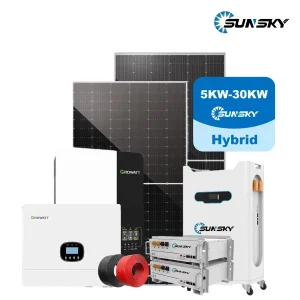
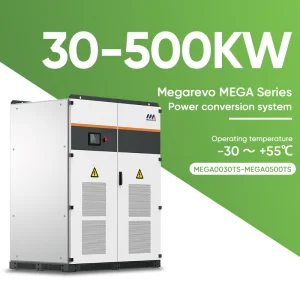
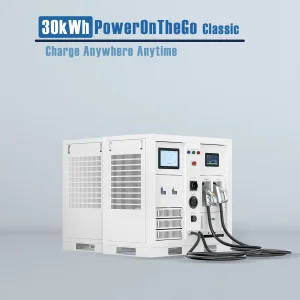
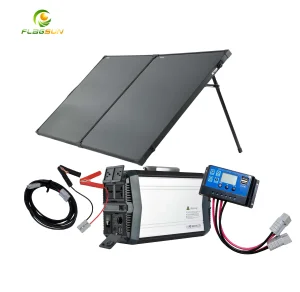
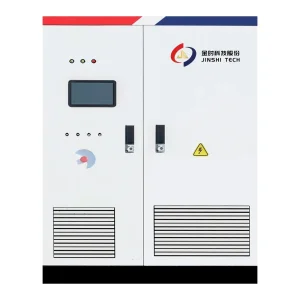
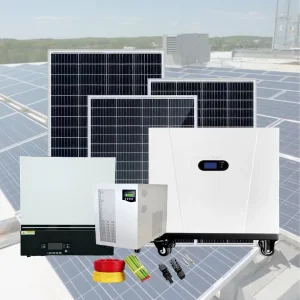
Engineered to mitigate Nepal's seasonal hydropower variations and grid instability, these systems provide reliable utility-scale and off-grid performance.
Nepal's electricity landscape is characterized by a unique dichotomy: a rapid expansion of peak generation capacity, primarily driven by run-of-the-river hydropower plants, coupled with severe seasonal deficits and transmission instabilities. During the dry winter season (December to April), river flow drops significantly, reducing domestic hydro generation to as low as 30% of installed capacity. This reliance leaves commercial enterprises, medical facilities, and critical municipal infrastructure exposed to scheduled load shedding and voltage fluctuations.
Furthermore, Nepal's rugged mountainous terrain creates substantial transmission bottlenecks, separating generation centers in the Himalayas from high-demand urban and industrial zones such as Kathmandu, Pokhara, and the Birgunj industrial corridor. To maintain operational continuity and avoid costly downtime, businesses and public sectors increasingly rely on advanced hybrid solar-plus-storage microgrids and scalable industrial-grade uninterruptible power systems.
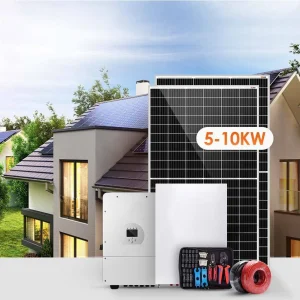
Optimized for commercial real estate, agricultural distribution hubs, and urban microgrids across the Kathmandu valley.
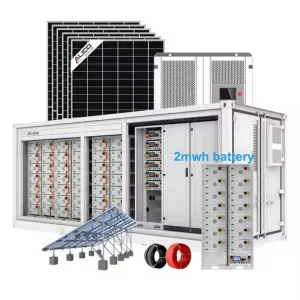
From Himalayan tourism lodges to Terai manufacturing zones, we provide tailor-made power continuity architectures.
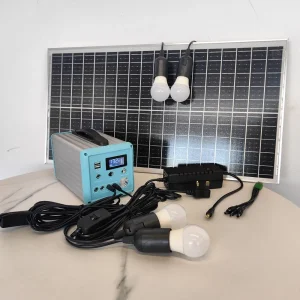
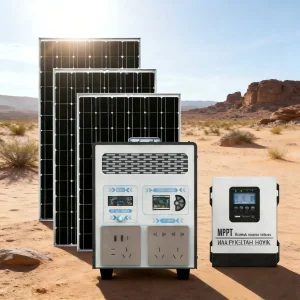
Off-grid destinations in Mustang, Annapurna, and Everest regions rely on modular solar generators and LFP storage. Our systems eliminate reliance on costly diesel transportation, providing silent, eco-friendly energy designed for high altitude performance.
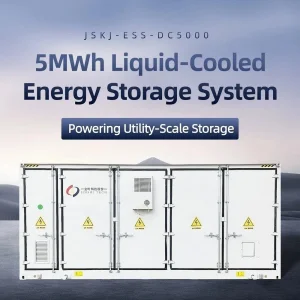
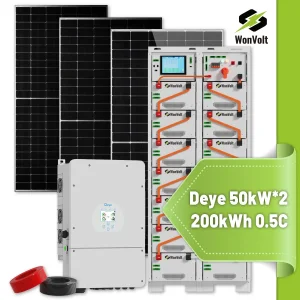
In the Birgunj and Bhairahawa special economic zones, power sags and blackouts interrupt production lines. Liquid-cooled BESS containers (up to 1MWh) provide seamless peak shaving, load shifting, and sub-millisecond UPS failover.
Critical operating theaters, telecommunication centers, and multi-story commercial offices in Kathmandu require dual-mode hybrid storage to bypass frequent voltage fluctuations, safeguarding sensitive medical and IT devices.
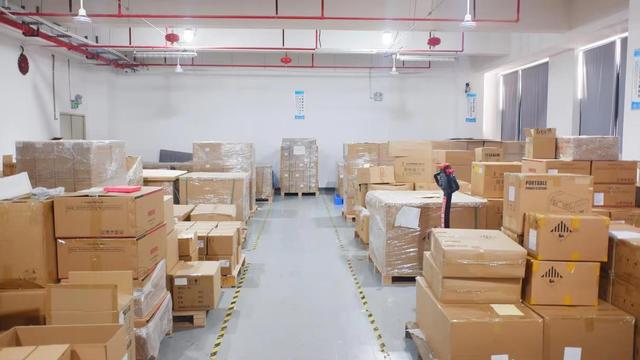
As a leading energy storage manufacturer situated in Shenzhen—China’s global hardware and innovation capital—Shenzhen PlugVolt Charging Co., Ltd. bridges the gap between state-of-the-art battery technologies and the unique logistics challenges of the Nepalese market. Our distribution models bypass standard maritime bottlenecks by leveraging direct trans-Himalayan trade corridors: shipping overland from our advanced manufacturing facility via Lhasa and the Gyirong (Keyrung) - Rasuwagadhi border crossing, directly into Kathmandu. This shortens transit times from months to weeks.
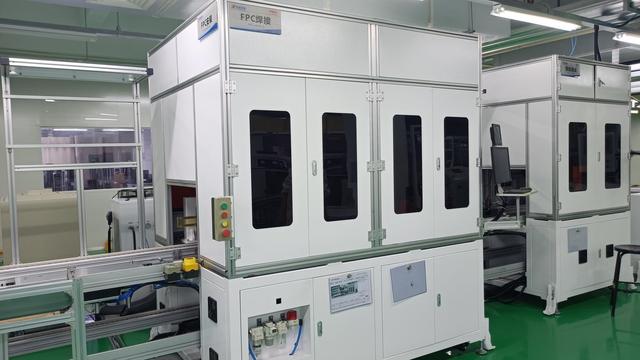
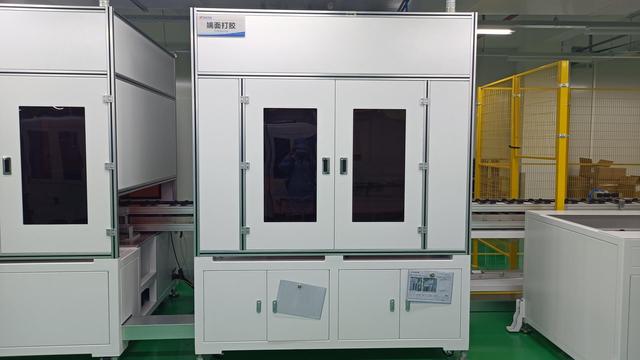
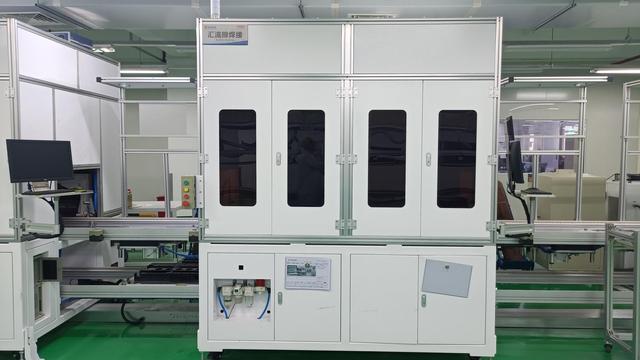
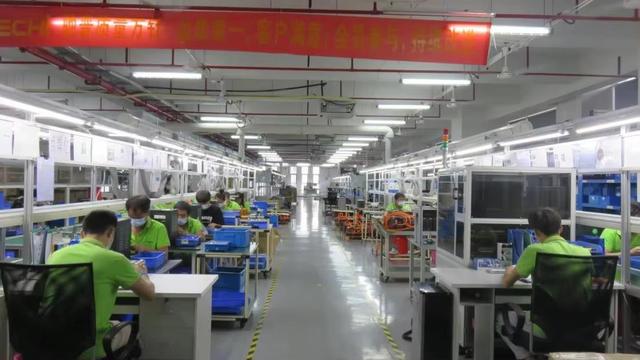
Our proximity to top-tier raw lithium suppliers, combined with our rigorous automated factory assembly lines, ensures that every LFP module possesses premium cell consistency, long-term stability, and competitive pricing. Through the Sino-Nepal cross-border energy partnership, we provide local engineering firms and developers with direct technical support, custom OEM/ODM solutions, and spare parts availability.
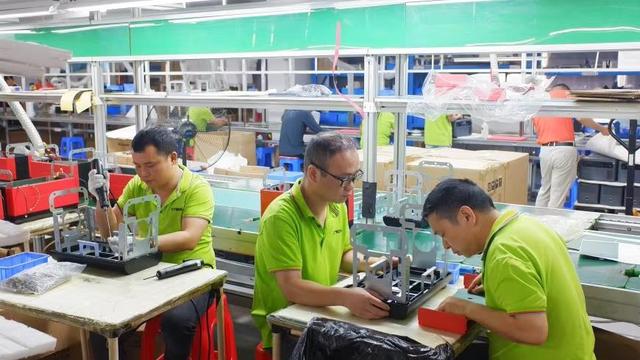
Shenzhen PlugVolt Charging Co., Ltd. builds systems that meet global industrial standards to guarantee longevity in harsh operating environments.
Deploying emergency energy storage systems at elevations above 2,000 meters—common across central and northern Nepal—presents key thermodynamic and electrical challenges. Air density decreases as altitude increases, which reduces convective cooling efficiency. Without adjustments, this can cause thermal build-up inside battery enclosures and inverter systems, accelerating components' aging.
To prevent these issues, our high-altitude energy storage systems feature custom engineering adaptations:
| Parameters | Standard Specs | Himalayan Optimization |
|---|---|---|
| Operating Elevation | 0 - 2,000m | Up to 4,500m (De-rated/HV customized) |
| Thermal Control | Forced Air | Liquid Cooling / Built-in Heaters |
| Low Temp Limit | -10°C | -30°C (Active pre-heating) |
| BMS Overvoltage Protection | Standard Class II | Class III Isolation (Reinforced) |
Discover our complete selection of lithium storage systems, portable generators, and backup solutions for Nepalese energy projects.
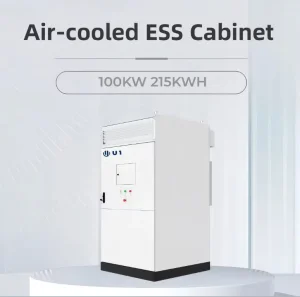
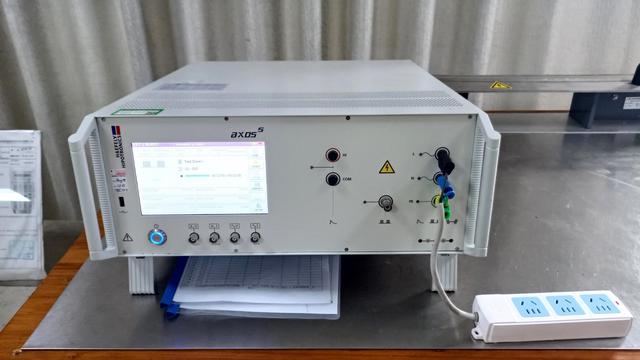
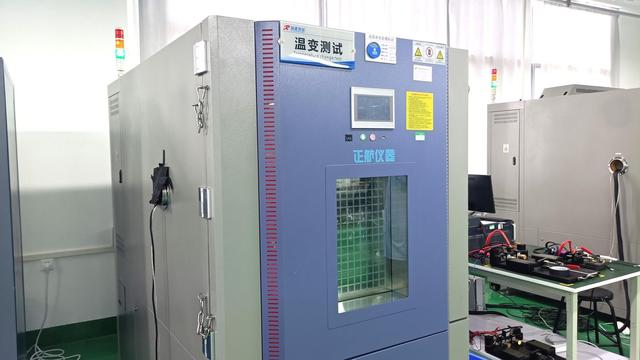
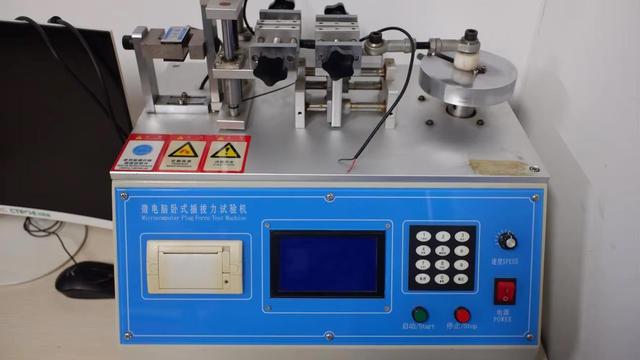
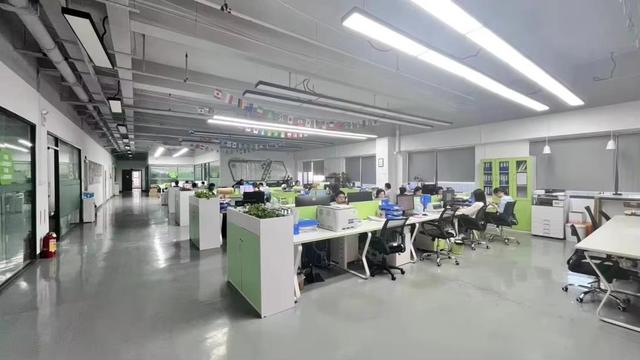
We are a professional manufacturer and global supplier specializing in residential energy storage, smart BMS integration, and commercial backup systems. Our R&D center focuses on the development, assembly, and testing of advanced lithium battery systems designed for modern microgrids and high-reliability backup applications.
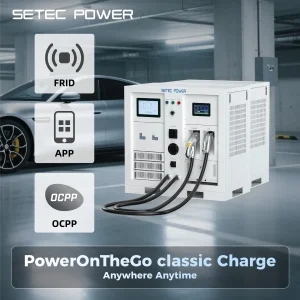
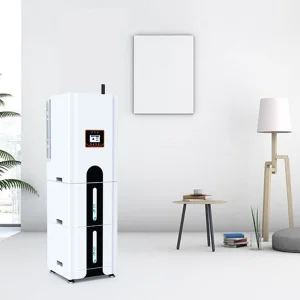
To meet the diverse energy needs of Nepal's residential and industrial sectors, we offer complete OEM and ODM customization services. Whether you require wall-mounted household batteries, containerized C&I energy storage solutions, or high-capacity backup stations for EV charging networks, we provide tailor-made options that align with your technical requirements.
Direct answers to technical, logistical, and design questions regarding energy storage integration in Nepal.
Our hybrid backup systems feature configurable energy management software. During high hydro generation periods, the systems store excess energy. In the dry winter months, they function as a primary energy source, integrating solar PV inputs and grid-charging configurations to balance the load dynamically.
We handle all compliance requirements for overland transport, including UN38.3 certifications and specialized packaging for lithium batteries. Our direct logistics routes through Lhasa and the Gyirong/Rasuwagadhi border crossing bypass ocean shipping lines, delivering systems directly to your site in Nepal.
Altitudes above 2,000 meters feature lower air density, which can impact cooling efficiency and insulation strength. Our systems resolve this by utilizing high-isolation BMS barriers and liquid-cooled designs to maintain safe cell temperatures in high-altitude environments.
We use premium LiFePO4 cells rated for over 6,000 charge cycles at 80% Depth of Discharge (DOD) under standard operating conditions. With an integrated battery management system, this translates to an operational lifespan of 10 to 15 years.
Yes, our industrial-grade hybrid systems feature dry-contact relays and smart communications designed to interface directly with diesel generators. The system automatically coordinates solar generation, battery status, and diesel output to minimize fuel usage.
Yes, we provide full OEM and ODM services. We customize battery capacities, enclosures, voltage levels, communication protocols, and brand logos to align with the specifications of your regional projects in Nepal.
Contact our technical sales team for custom engineering options, volume pricing, and shipping logistics through the trans-Himalayan trade corridor.
Send Inquiry Now PlugVolt Charging